Why Learn Gemology? Reasons to Study Gemstones in India
By GJA Gem & Jewellery Academy · Published · 2 min read
Learning gemology teaches you to identify gemstones scientifically, to tell natural stones from synthetics, imitations and treated stones, and to judge their quality. Glass, synthetic stones and heavily treated stones are sold alongside genuine ones, so this knowledge is valuable to anyone who buys, sells, sets or wears gemstones.
This article explains what gemology covers, why it is worth learning, who it suits and the careers it leads to.
What do you learn in gemology?
- How gemstones form and the properties that set each one apart, such as hardness, refractive index and specific gravity.
- The instruments. The refractometer, polariscope, dichroscope, spectroscope, hydrostatic balance and gem microscope.
- Identification. Ruby, sapphire, emerald, spinel, garnet, the quartz family and many more, along with their common look-alikes.
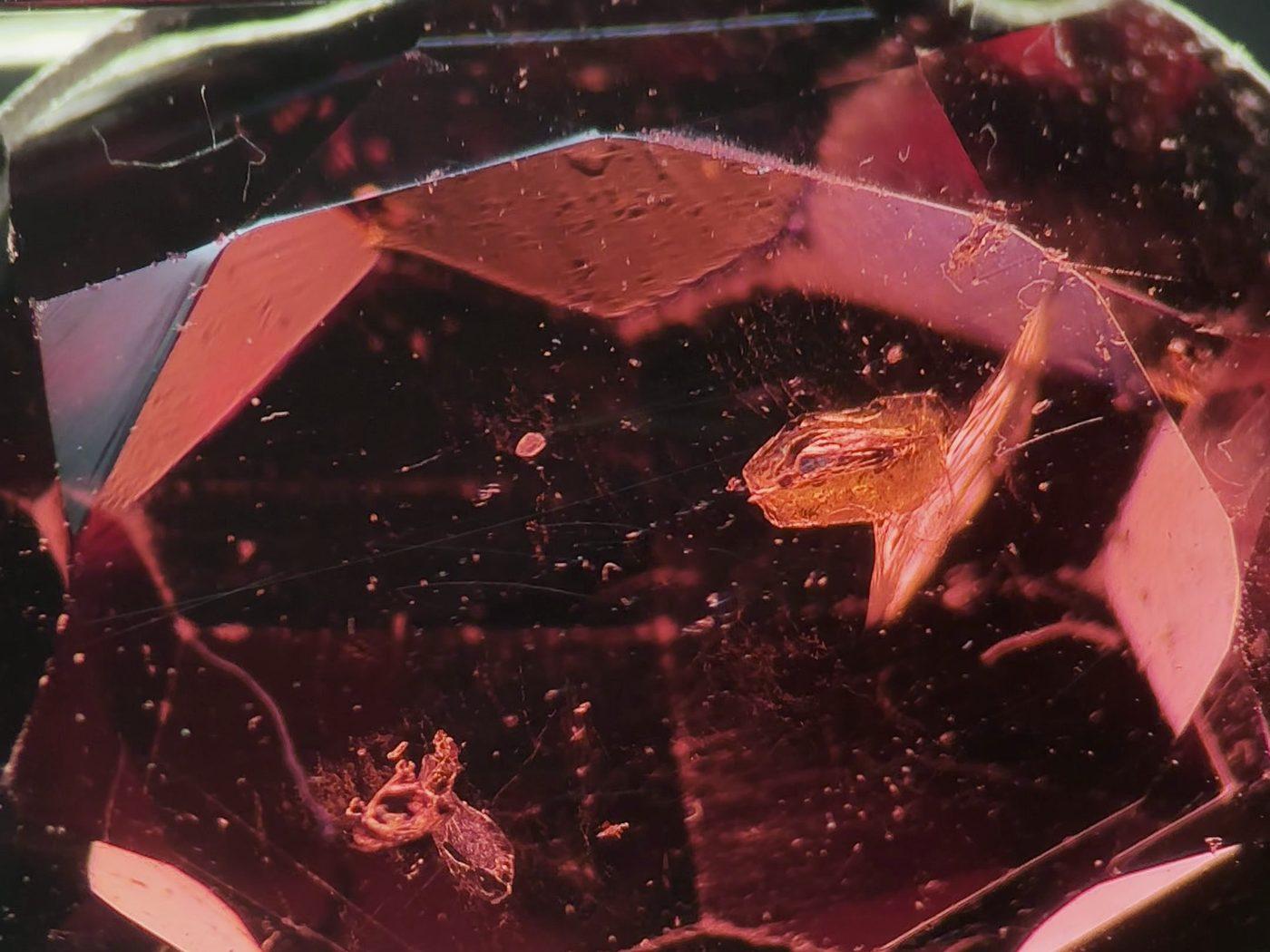
- Synthetics and treatments. Heating, glass filling, oiling and dyeing, and the clues that reveal them under the microscope.
- Quality and value. Colour, clarity, cut and weight, and how they affect price.
At GJA, students begin with Basic Gem Identification (2 months) and move on to Professional Gem Identification (2 months). There is also a 3 week Navaratna course on the nine planetary gemstones.
Why is gemology worth learning?
Treatments and synthetics are common. Many rubies and sapphires on the market are heated, some are filled with lead glass, and synthetic stones are cheap to make. Buyers rely on people who can tell the difference.
Gemstones matter in Indian homes. Navaratna and astrological stones are bought by families across the country, often at high prices and on trust. A gemologist can check that a stone is what the seller says it is.
India is a major gemstone centre. Jaipur is one of the world's busiest centres for cutting and trading coloured stones, and jewellers everywhere need staff who can identify what they buy.
Who should study gemology?
- Jewellers and gemstone traders who want to buy with confidence.
- Astrological gem sellers who want to verify the stones they recommend.
- Students interested in science and a hands-on career.
- Collectors and buyers who want to understand what they own.
Careers after gemology
- Gemologist at a testing laboratory
- Gemstone buyer or quality checker for a jeweller or exporter
- Sales specialist for coloured stone jewellery
- Gemstone trading, or a business of your own
For the full career path, read how to become a gemologist in India. Students who want complete training take the 10 month Diploma in Gemology, which adds diamond grading.
Frequently asked questions
Is gemology difficult to learn?
It involves some science, but it is taught through practice. You learn by testing real stones on real instruments, one property at a time.
Can gemology tell where a gemstone comes from?
Sometimes. Inclusions can give clues about origin, but a firm opinion on origin usually needs advanced laboratory testing.
Do I need a science background?
No. Anyone who has finished school can follow the course. Curiosity and patience matter more than a science degree.
See all our gemology courses in Hyderabad or contact us for the next batch.