Why Learn Diamond Grading? Skills, Uses and Careers
By GJA Gem & Jewellery Academy · Published · 3 min read
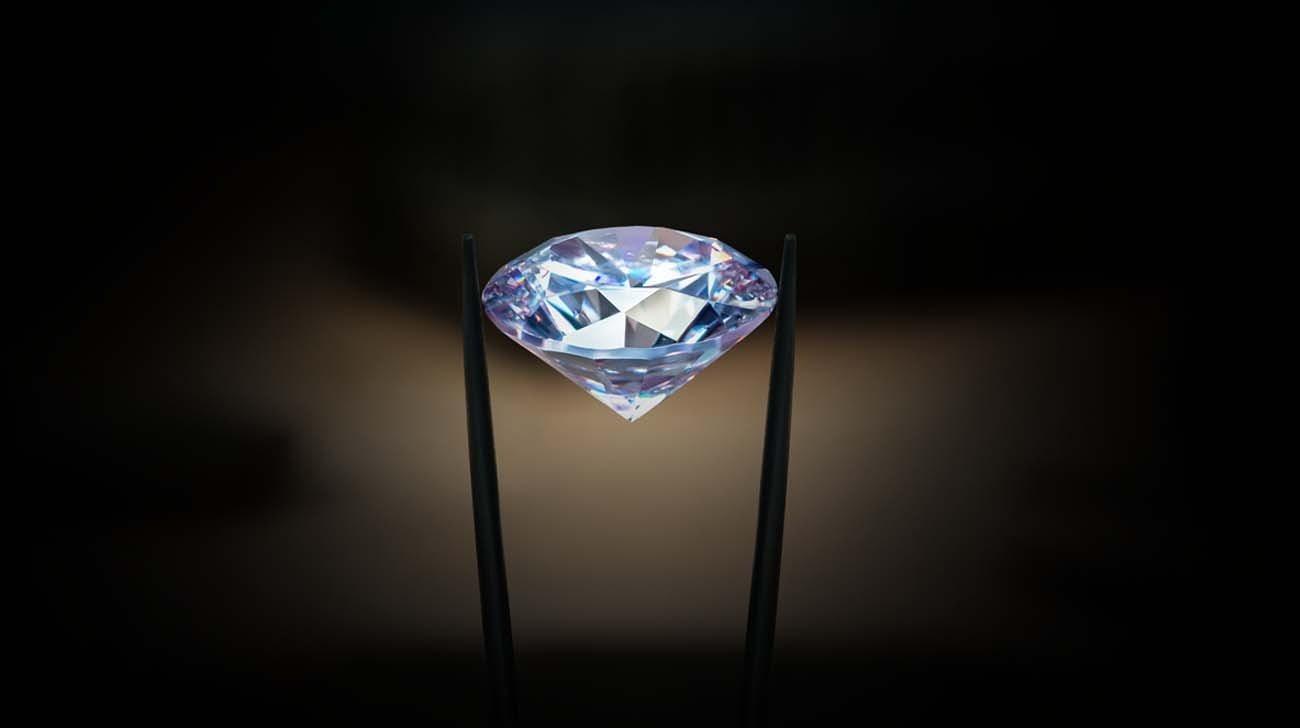
Learning diamond grading means learning to judge a diamond yourself: its weight, colour, clarity and cut, whether it might be lab-grown, and what all of that means for its value. It is the core skill behind buying, selling, certifying and valuing diamonds, and it protects you from paying too much or being sold something that is not what it seems.
This article covers what you learn, why the skill is worth having, who it suits and the careers it opens.
What does a diamond grading course teach?
- The 4Cs. Carat weight, colour, clarity and cut, graded the way laboratories grade them.
- The instruments. The 10x loupe, tweezers, diamond gauge, grading lamp, master stones and microscope.
- Plotting. Mapping each inclusion on a diagram, as a grading report does.
- Natural, lab-grown and imitation. Telling diamonds from simulants such as moissanite and cubic zirconia, and knowing when a stone needs laboratory testing to confirm whether it is natural or lab-grown.
- Reading reports. Understanding what a grading report says and checking that it matches the stone.
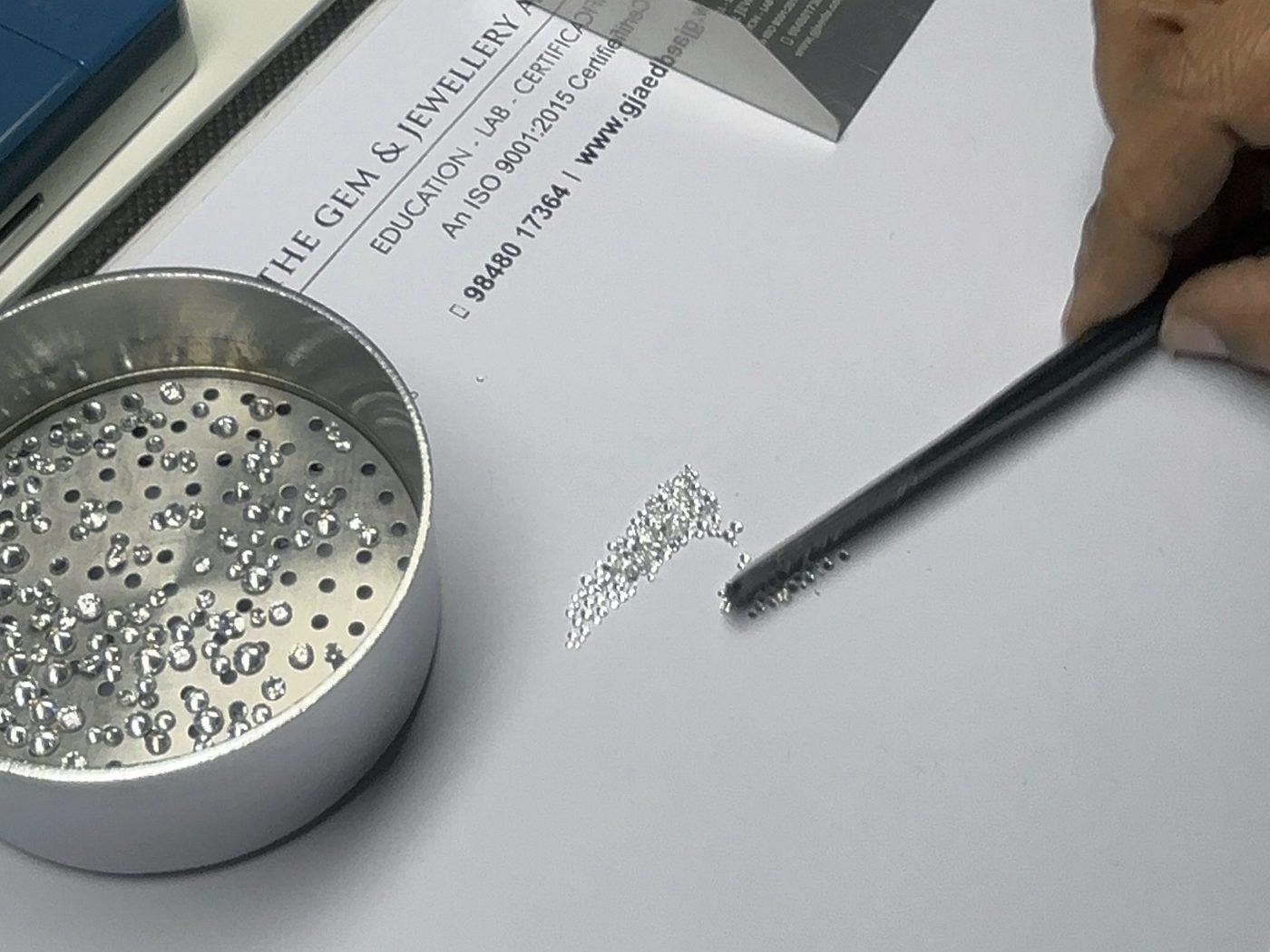
At GJA, students practise on more than 1,000 real diamonds. The Basic Diamond Grading course takes 2.5 months and the Professional Diamond Grading course takes 2 months.
Why is diamond grading worth learning now?
Lab-grown diamonds have changed the market. They look the same as natural diamonds to the eye and cost far less. Jewellers, buyers and customers all need people who understand the difference and know when to send a stone for testing.
India is at the centre of the diamond trade. Most of the world's diamonds are cut and polished in India, mainly in Surat, and Mumbai is a major trading hub. That creates steady work in manufacturing, trading, retail and laboratories.
The skill protects your own money. Even if you never work in the trade, knowing how to read a stone and a report helps you buy with confidence.
Who should learn diamond grading?
- Jewellers and their families who buy and sell diamond jewellery every day.
- Retail staff who explain diamonds and reports to customers.
- Students who want a technical, hands-on career in the gem trade.
- Traders and buyers who want to judge stones themselves.
Careers after a diamond grading course
- Diamond grader at a gem laboratory
- Diamond buyer, assorter or quality checker for a manufacturer or trader
- Sales consultant or product specialist at a jewellery brand
- Diamond trading, or a business of your own
Many students combine diamond grading with gem identification in the 10 month Diploma in Gemology. To hear from students who have done it, read GJA student success stories.
Frequently asked questions
Can I learn diamond grading without any background?
Yes. The basic course starts from the fundamentals, and most of the learning happens through practice with real stones.
Can a trained grader tell a lab-grown diamond from a natural one by eye?
Not reliably. A trained grader can spot clues and knows when a stone must be screened, but confirming whether a diamond is natural or lab-grown needs laboratory instruments. Our guide on natural vs lab-grown diamonds explains how it is done.
Which certificate do GJA diamond courses give?
Students receive a GJA certificate and a Medhavi Skills University certificate. GJA is affiliated to Medhavi Skills University, Skill India and NSDC.
For batch timings and fees, contact GJA or call +91 98480 17364.